2026 Honda Prologue · California
What it costs to charge a 2026 Honda Prologue in California
In California, the August 2026 residential price is 29.75¢ per kWh, 64% above the U.S. average of 18.16¢. The 2026 Honda Prologue configuration used here, Prologue AWD Touring, is rated at 34.07 kWh/100 mi, so 100 miles costs $10.14 and a month at 1,250 miles costs $126.70.
At the U.S. average the same configuration costs $6.19 per 100 miles, so California is $3.95 more per 100 miles.
The EPA range for this configuration is 294 miles. At 34.07 kWh/100 mi, traveling that far takes 100.17 kWh and costs $29.80 at 29.75¢ per kWh. That is range times efficiency. It is not a usable battery capacity.
At the California 12-month average of 32.34¢/kWh, 100 miles costs $11.02. The configuration is the Prologue AWD Touring, the lower-median EPA combined figure for this model year. The full model-year table is on the 2026 Honda Prologue page.
- CA ¢/kWh
- 29.75¢
- Per 100 miles
- $10.14
- Per month
- $126.70
- Rated-range charge
- $29.80
Gasoline comparison
The gasoline comparison uses the lower-median combined MPG among conventional 2026 Toyota Highlander trims in the EPA file: the 2026 Toyota Highlander AWD, at 24 MPG on regular gasoline. It is a segment reference, not a paired road test. EIA publishes a California regular price. For the week of November 16, 2026 it is $5.387 per gallon. At 24 MPG, 100 miles in that car costs $22.45 and a month at 1,250 miles costs $280.57. The Honda Prologue costs $12.31 less per 100 miles than that car at these two prices.
Calculator for California
The tables use this page's EPA and EIA figures. The results below use the numbers in the form. Rated-range energy uses the EPA range of 294 miles times the efficiency you enter. It is not a usable battery capacity.
- Per 100 miles
- $10.14
- Per month
- $126.70
- Rated-range energy
- 100.17 kWh
- Rated-range cost
- $29.80
- Gas per 100 miles
- $22.45
- Gas per month
- $280.57
The gasoline field starts at $5.387 per gallon, regular, California. Change it if you pay a different price.
Home charging gear
EPA's file does not record the inlet. Each product below is labeled with the connector named on its Amazon listing. Many non-Tesla EVs use J1772 for AC charging. Some 2025 and later models use NACS. Match the listing to the inlet on the car.
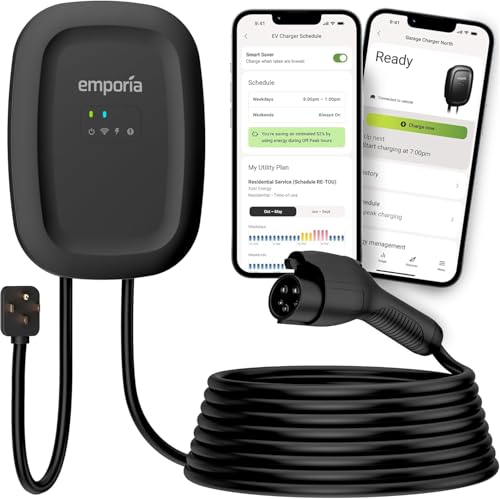
Level 2 charger · J1772
Emporia Level 2 EV Charger
NEMA 14-50
The Amazon title for this ASIN says SAE J1772 and a NEMA 14-50 plug. It does not say the vehicle connector is NACS.
$449.00Price as of November 19, 2026, 9:43 AM ET. Prices and availability are accurate as of the date/time indicated and are subject to change. Any price and availability information displayed on Amazon.com at the time of purchase will apply to the purchase of this product.
Check price on Amazon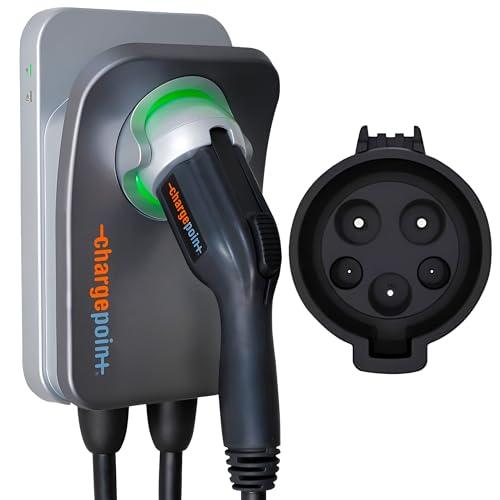
Level 2 charger · J1772
ChargePoint Home Flex
NEMA 14-50
The Amazon title says J1772 and NEMA 14-50. The listing says a Tesla needs an adapter.
$508.99Price as of November 19, 2026, 9:43 AM ET. Prices and availability are accurate as of the date/time indicated and are subject to change. Any price and availability information displayed on Amazon.com at the time of purchase will apply to the purchase of this product.
Check price on Amazon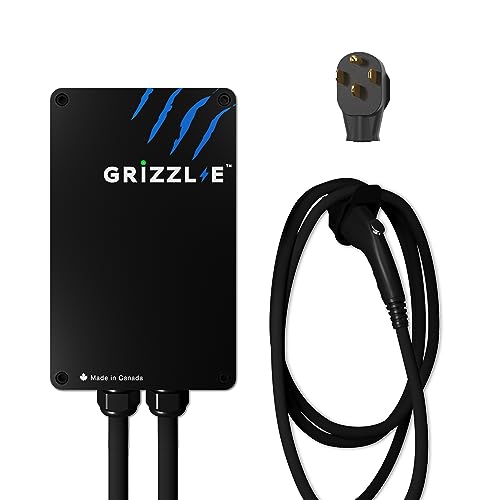
Level 2 charger · J1772
Grizzl-E Classic
NEMA 14-50
The Amazon title says a NEMA 14-50 plug. The product description on that listing says the vehicle connector is J1772.
$299.99Price as of November 19, 2026, 9:43 AM ET. Prices and availability are accurate as of the date/time indicated and are subject to change. Any price and availability information displayed on Amazon.com at the time of purchase will apply to the purchase of this product.
Check price on Amazon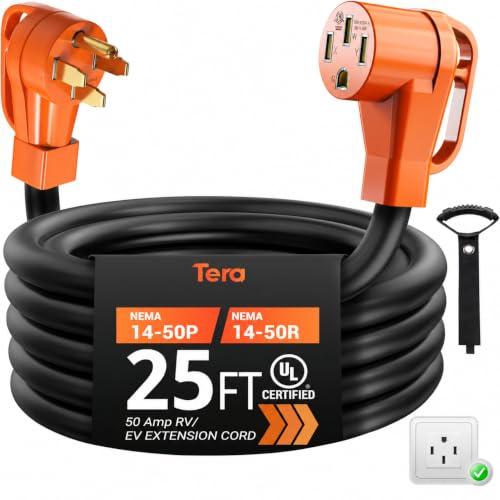
NEMA 14-50 extension · Wall cord
Tera 50-amp NEMA 14-50 extension cord
NEMA 14-50P to 14-50R
The Amazon title says a 25-foot, 50-amp cord with NEMA 14-50P and NEMA 14-50R ends. It extends a charger's wall plug. It is not a J1772 or NACS vehicle adapter.
$109.90Price as of November 19, 2026, 9:43 AM ET. Prices and availability are accurate as of the date/time indicated and are subject to change. Any price and availability information displayed on Amazon.com at the time of purchase will apply to the purchase of this product.
Check price on Amazon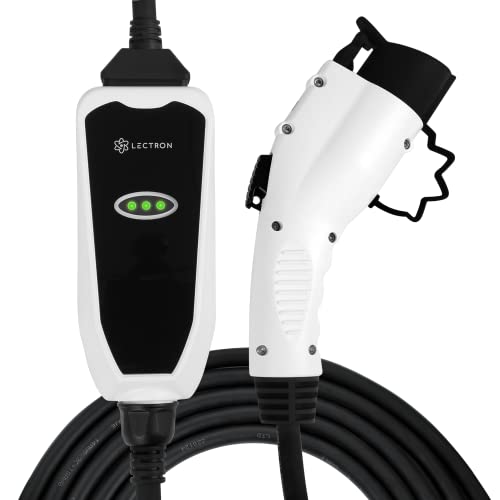
Portable Level 1/2 charger · J1772
Lectron portable Level 1 and Level 2 charger
NEMA 5-15 and NEMA 14-50
The Amazon title says Level 1 and Level 2, a J1772 vehicle connector, and both a NEMA 5-15 plug and a NEMA 14-50 plug.
Check price on Amazon
Same car, nearby
- Honda Prologue in Arizona · 15.05¢/kWh
- Honda Prologue in Nevada · 12.72¢/kWh
- Honda Prologue in Oregon · 15.92¢/kWh
Other EVs in California
- 2027 Tesla Model Y · 27.0 kWh/100 mi
- 2027 Tesla Model 3 · 26.0 kWh/100 mi
- 2027 Hyundai Ioniq 5 · 31.67 kWh/100 mi
- 2027 Toyota bZ · 28.0 kWh/100 mi
- 2027 Chevrolet Equinox EV · 31.08 kWh/100 mi
- 2027 Rivian R1S · 44.36 kWh/100 mi
- 2026 Ford Mustang Mach-E · 32.26 kWh/100 mi
- 2027 Kia EV9 · 38.0 kWh/100 mi
Questions
How much does it cost to charge a Honda Prologue in California?
Using the 2026 Prologue AWD Touring and the August 2026 residential price of 29.75¢, 100 miles costs $10.14 and 1,250 miles costs $126.70. Retrieved November 19, 2026.
How does California compare with the U.S. average for a Honda Prologue?
At the U.S. average the same configuration costs $6.19 per 100 miles, so California is $3.95 more per 100 miles.
How does a Honda Prologue in California compare with gasoline?
The gasoline comparison uses the lower-median combined MPG among conventional 2026 Toyota Highlander trims in the EPA file: the 2026 Toyota Highlander AWD, at 24 MPG on regular gasoline. It is a segment reference, not a paired road test. EIA publishes a California regular price. For the week of November 16, 2026 it is $5.387 per gallon. At 24 MPG, 100 miles in that car costs $22.45 and a month at 1,250 miles costs $280.57. The Honda Prologue costs $12.31 less per 100 miles than that car at these two prices.
Electricity: EIA Electric Power Monthly Table 5.6.A, residential, August 2026, retrieved November 19, 2026. 12-month average: September 2025 through August 2026. Gasoline: EIA weekly retail, week of November 16, 2026. Efficiency: EPA fueleconomy.gov, retrieved November 19, 2026. Sources and method